Guide no. 06
Organising your yoga & wellbeing retreat
The practical guide for independent teachers.
You teach yoga, meditation, sophrology or naturopathy. You run weekly classes in a studio or online, and you have built a small, loyal community. And you have been thinking about it for a long time: organising your own retreat. The idea is appealing, the execution daunting. Finding the right venue. Setting the price without guilt. Building a schedule that holds over 3 days. Deciding between cooking yourself or bringing in a chef. Filling the retreat without a massive audience. Handling cancellations. Making the format last so it becomes a regular pillar of your work. This guide gathers what experienced teachers took 5 years to learn. Why organise your own retreat (the economic and relational difference), how to choose a venue against 8 concrete criteria, set a fair price with a calculated break-even point, build a typical daily schedule, choose the most suitable catering option, fill places with a reverse communication schedule, lead on the day and build on it afterwards. The companion spreadsheet is a real business plan: selling price calculation, automatic break-even point, detailed budget, registration tracking, communication plan. To go from wanting to the first fully booked retreat.
Contents
- Why organise your own retreat
- Choosing the venue: 8 criteria that change everything
- Setting the price and calculating the break-even point
- Building a typical daily schedule
- Catering: cook yourself or bring in a chef?
- Finding your participants: the marketing method
- The big day and after the retreat
This guide was written for stays at Casa Sauvage, a villa for 18 people deep in the forest near Béziers. Yoga & wellness retreats.
Organising your own yoga retreat
More and more yoga, meditation and wellness teachers are organising their own retreats. It is a way of offering a deeper experience than the weekly class, building student loyalty and diversifying income. But it is also a real organisational project: finding the venue, setting the price, filling the group, managing meals and the schedule.
This guide was written for independent teachers. It offers eight criteria for choosing the venue, a method for calculating the break-even point, a typical daily schedule and tips for finding your participants.
What makes a good retreat venue
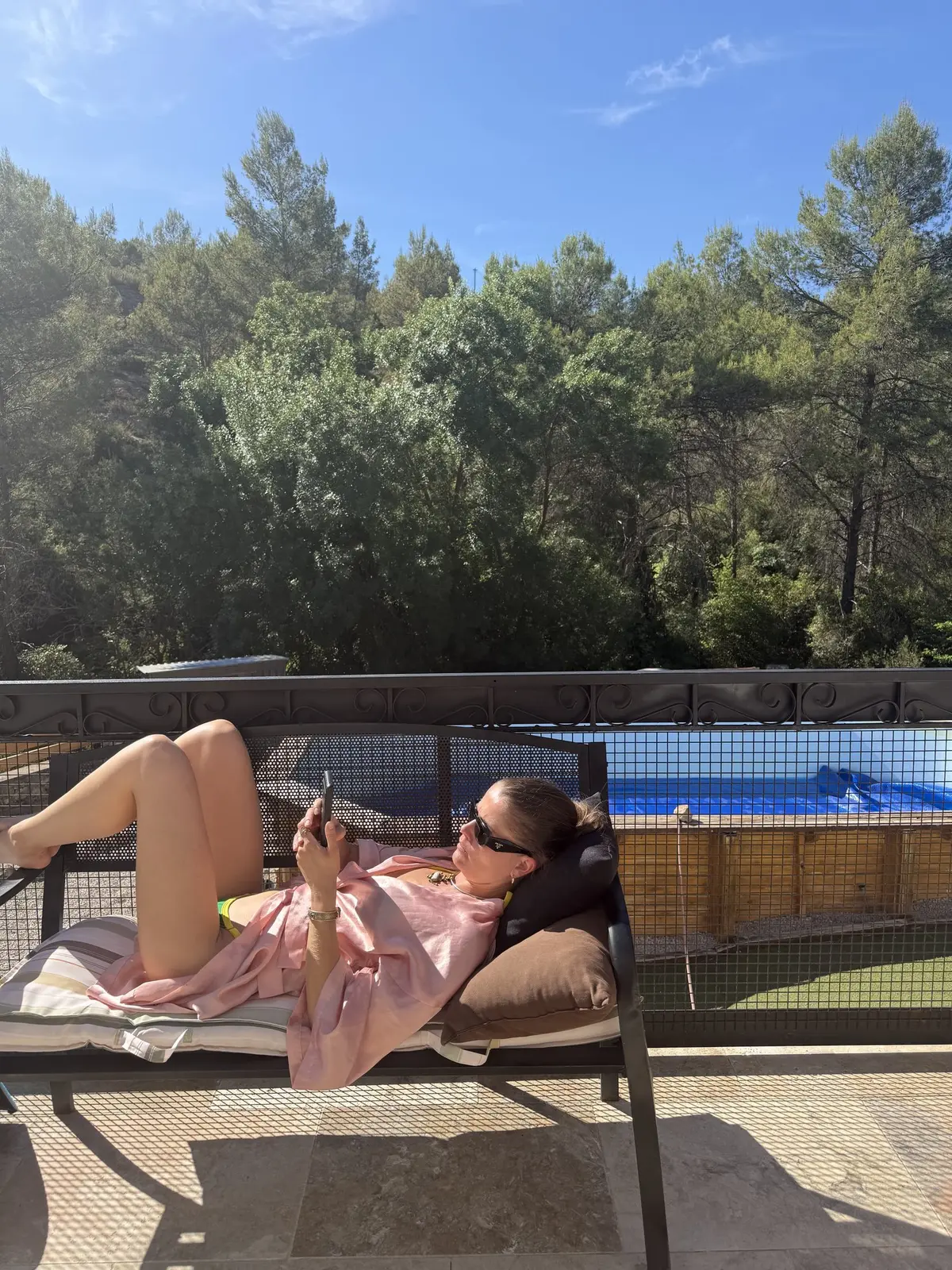
The venue makes up a large part of the experience. It must be quiet, close to nature, offer enough practice space, plenty of bedrooms and a kitchen for group meals. Casa Sauvage ticks these boxes: a whole house to yourselves, 2 hectares of forest, a terrace facing the trees for morning practice, a pool and hot tub for recovery time, and the river Orb a few minutes’ walk away.
With 6 bedrooms and 18 beds, the house welcomes a group of 8 to 16 participants plus the teaching team. The two kitchens make it possible to cook for everyone or bring in a chef.
Price and profitability
The business plan provided in Excel calculates the price per participant from the cost of the venue, meals, activities and your fee. Sharing a whole house between 12 or 14 participants often makes the price more affordable than a classic retreat centre. See the rates for your estimate and the yoga retreat in Occitanie page for a sample programme.
Complementing the practice
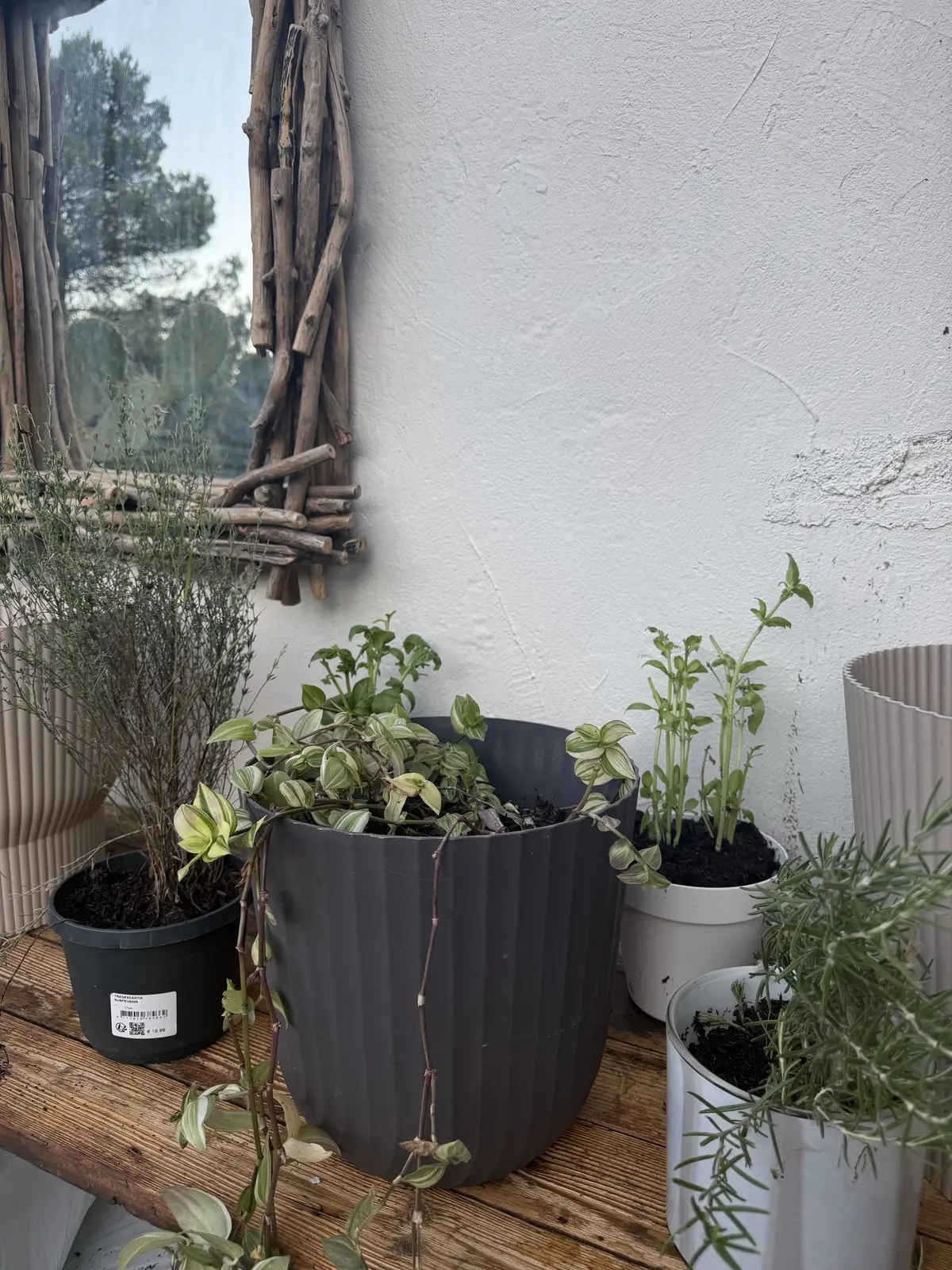
Wellness treatments from our partner Éclore, an outing to the Gorges d’Héric, forest bathing on the property or a digital detox day enrich the programme without complicating the organisation.
Frequently asked questions
Is there a practice room?
Can you rent out of season?
Read also