Wild asparagus in spring, cicadas in summer, mushrooms in autumn, wild boar all year round: what you'll come across around Casa Sauvage, and how to enjoy it safely.
2 haof forest around the house
4seasons to enjoy
28species featured
0picking without rules
The year on the estate
Four seasons, four forests
What changes around the house through the year, and what you're most likely to come across.
In spring
From March to May, the garrigue flowers and the forest wakes up. It's the season of wild asparagus and wild leeks, the first hoopoe calls and the return of bee-eaters from Africa. Toads head down to the water after the rain.
From June to August, cicadas sing as soon as the thermometer passes 25 °C. Ocellated lizards warm up on the walls, capricorn beetles come out in the evening around the old oaks, and the Orb becomes a natural pool for barbel and chub. By late August, blackberries and figs are ready.
From September to November, after the first rains, it's mushroom season: ceps and milk caps in the upland forests, but also the deadly death cap. Chestnuts fall in the Caroux, strawberry-tree fruit turns red and squirrels build up their stores.
🍄 Cep · 🌰 Chestnut · 🍓 Strawberry-tree fruit · 🐿️ Red squirrel
In winter
From December to February, the forest is quiet and the light low. Wild boar are more visible at nightfall and roe deer come out into the clearings at daybreak. Watch out for processionary caterpillar nests at the top of the pines from January.
We took these photos ourselves, in the forest and around the house.
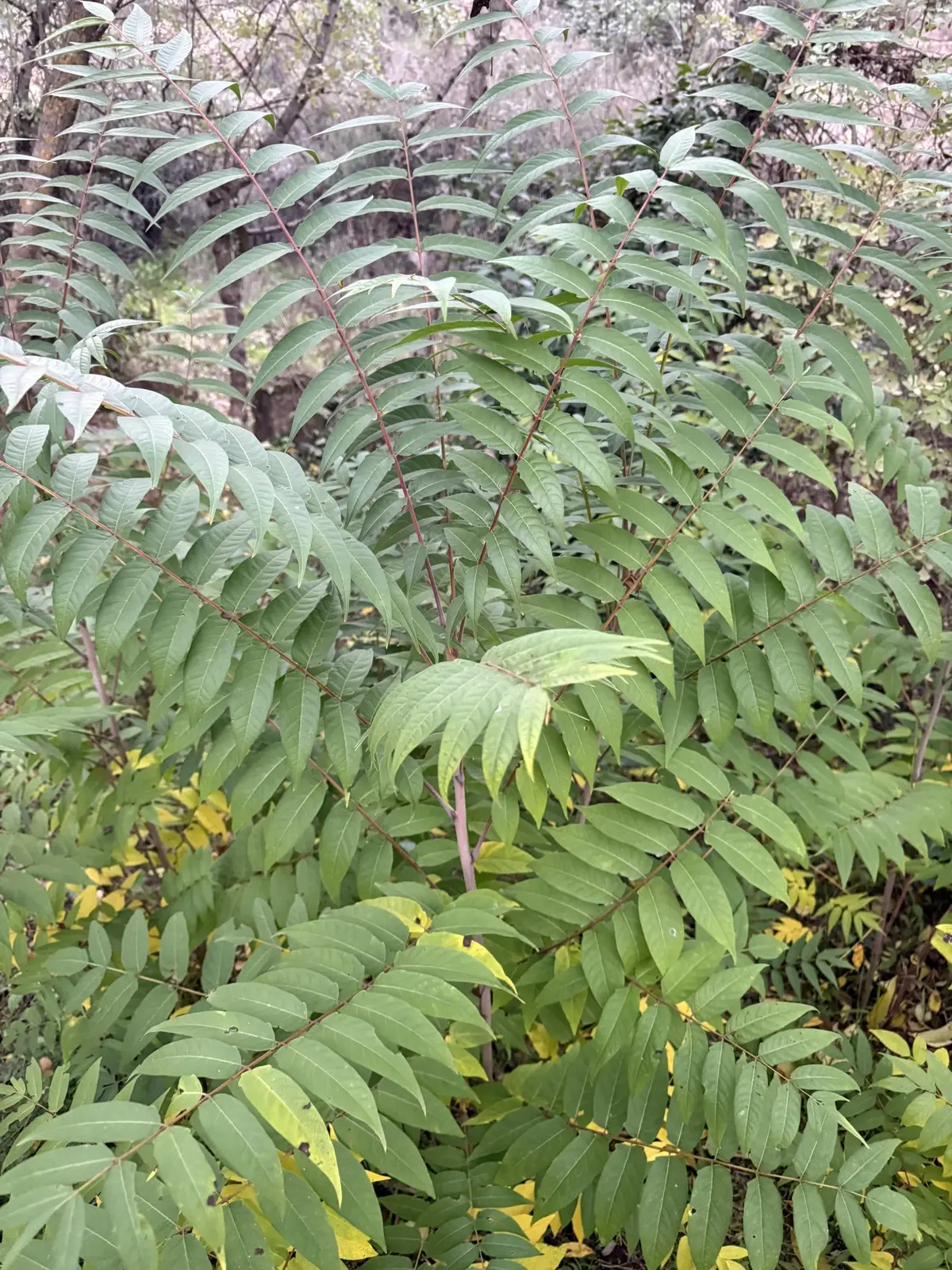
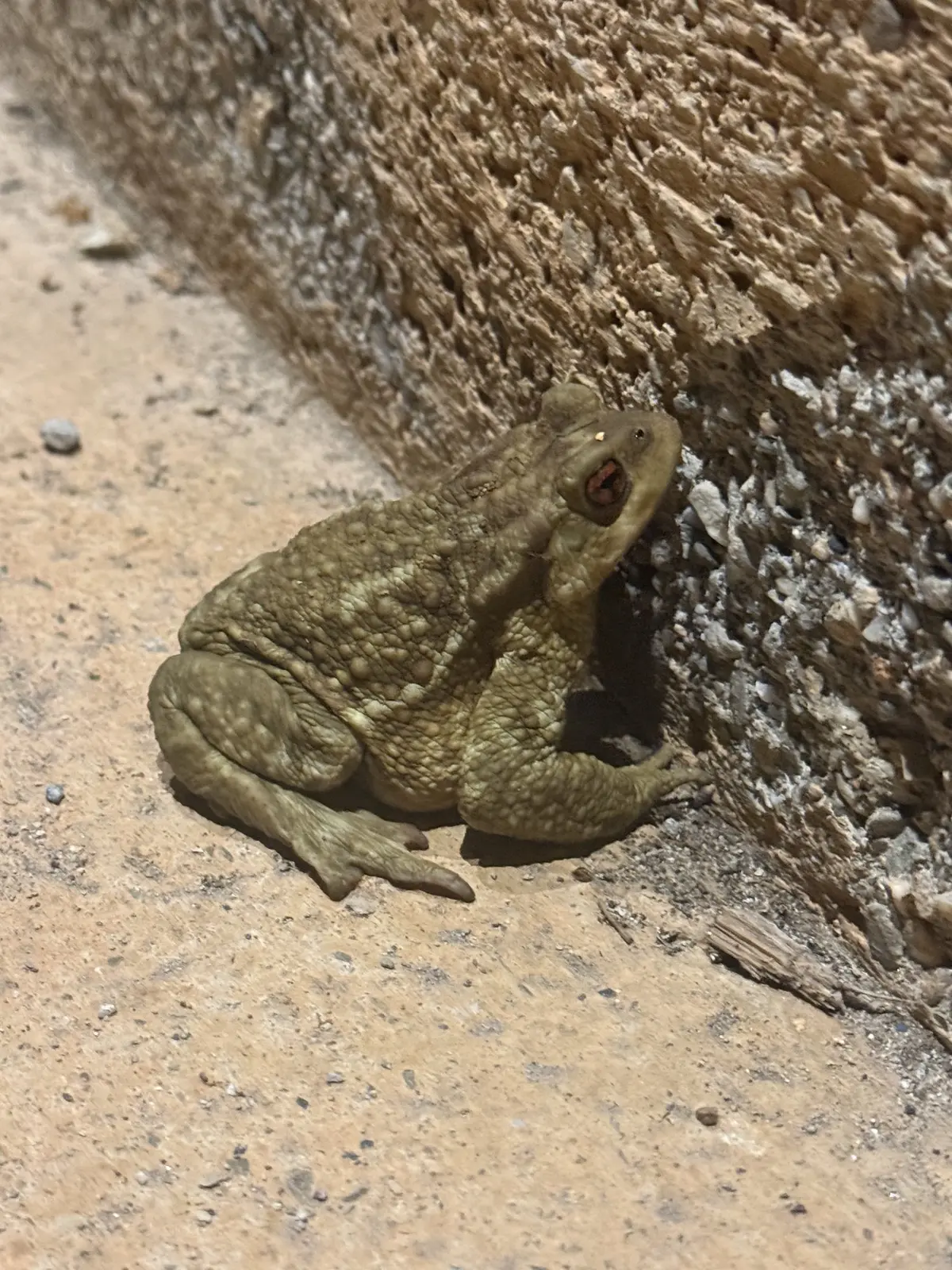
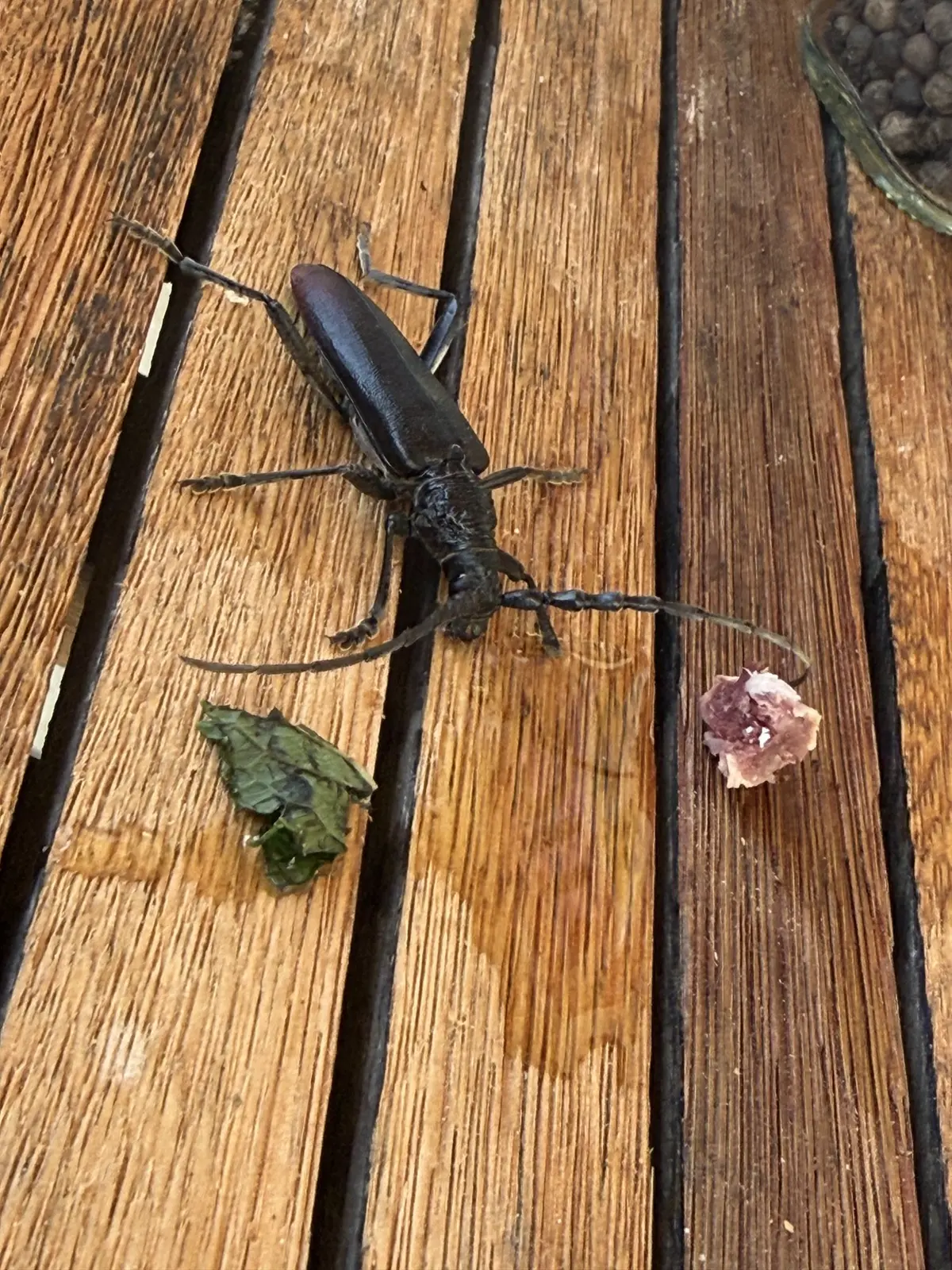
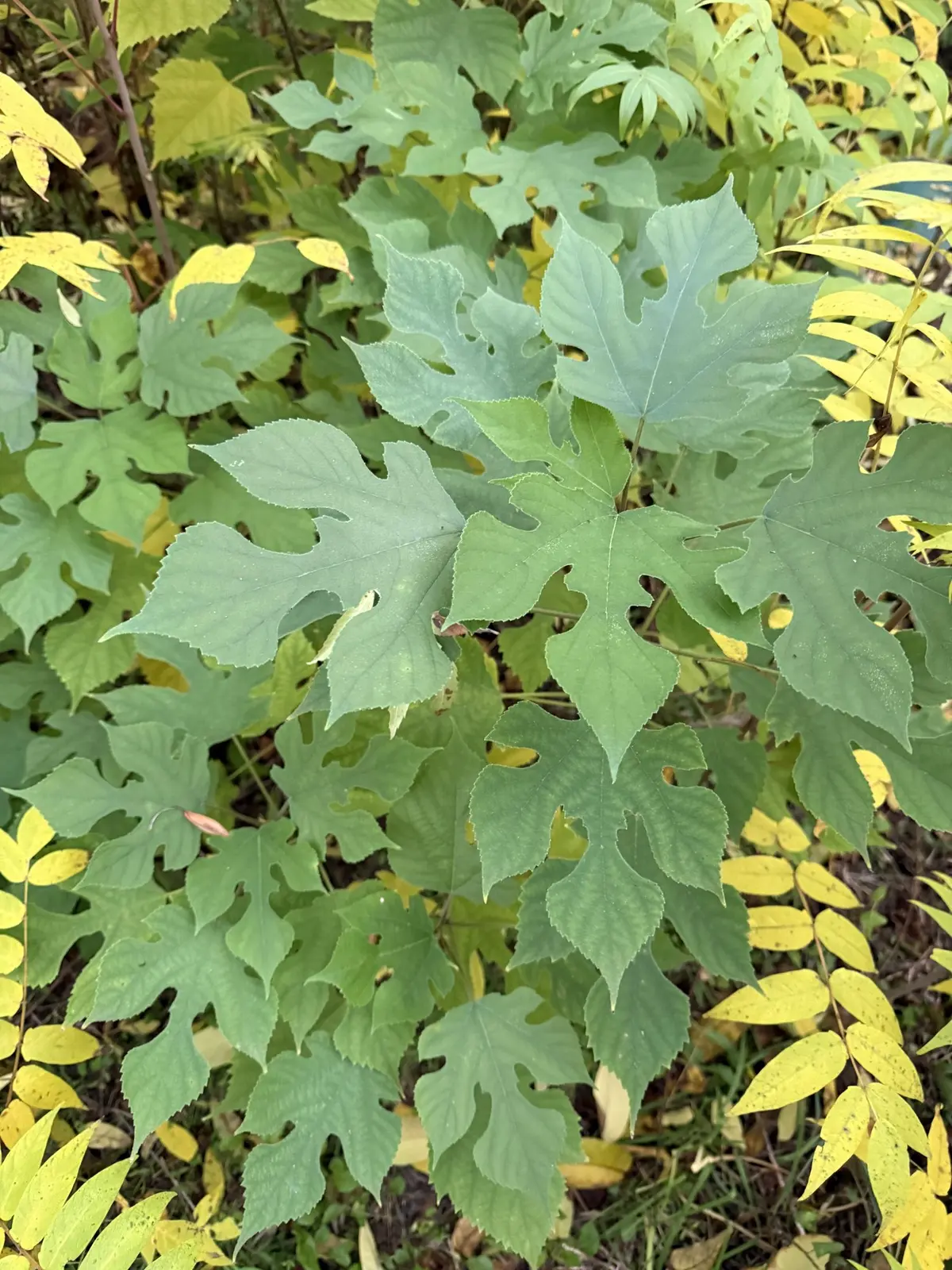
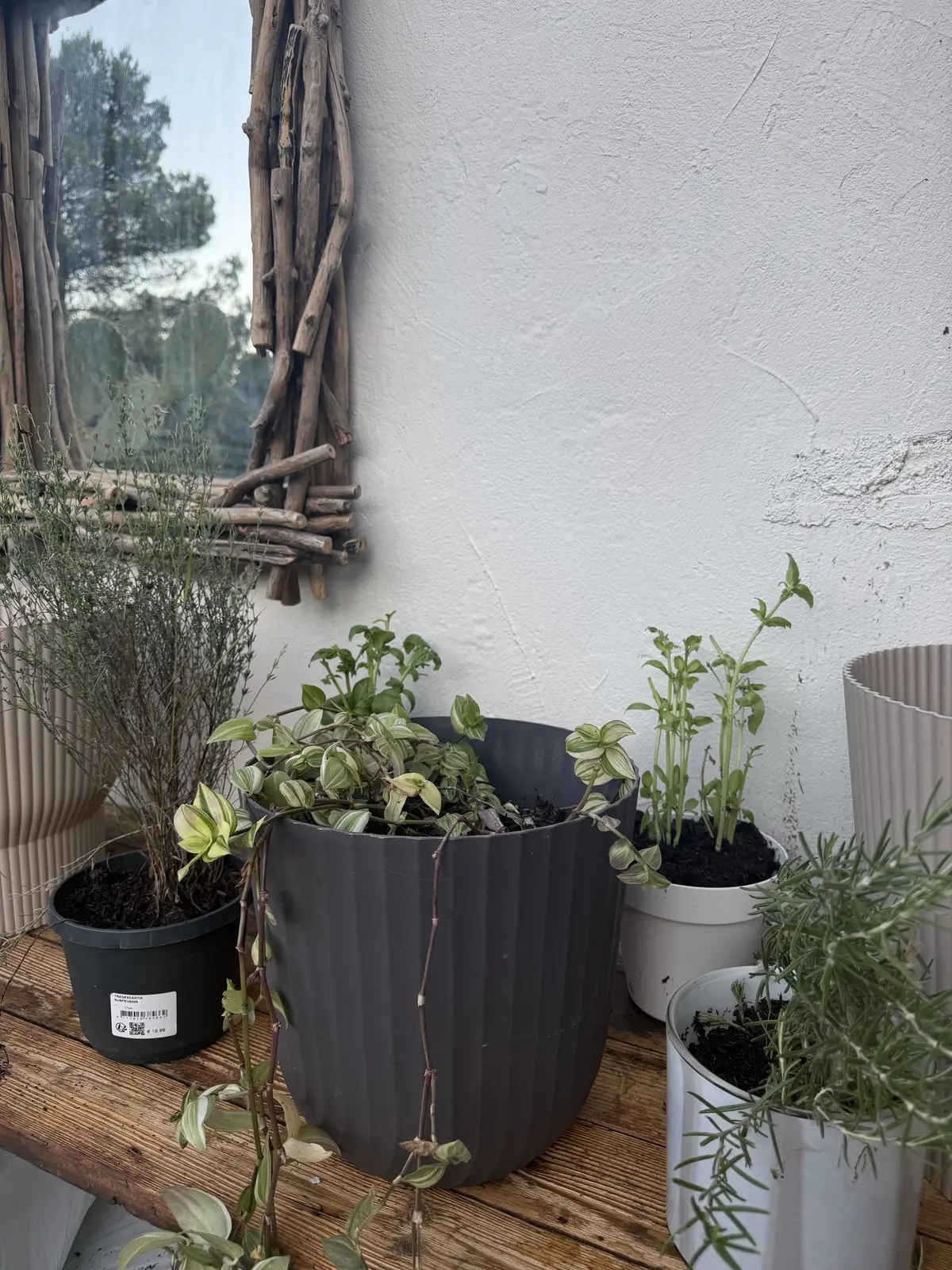
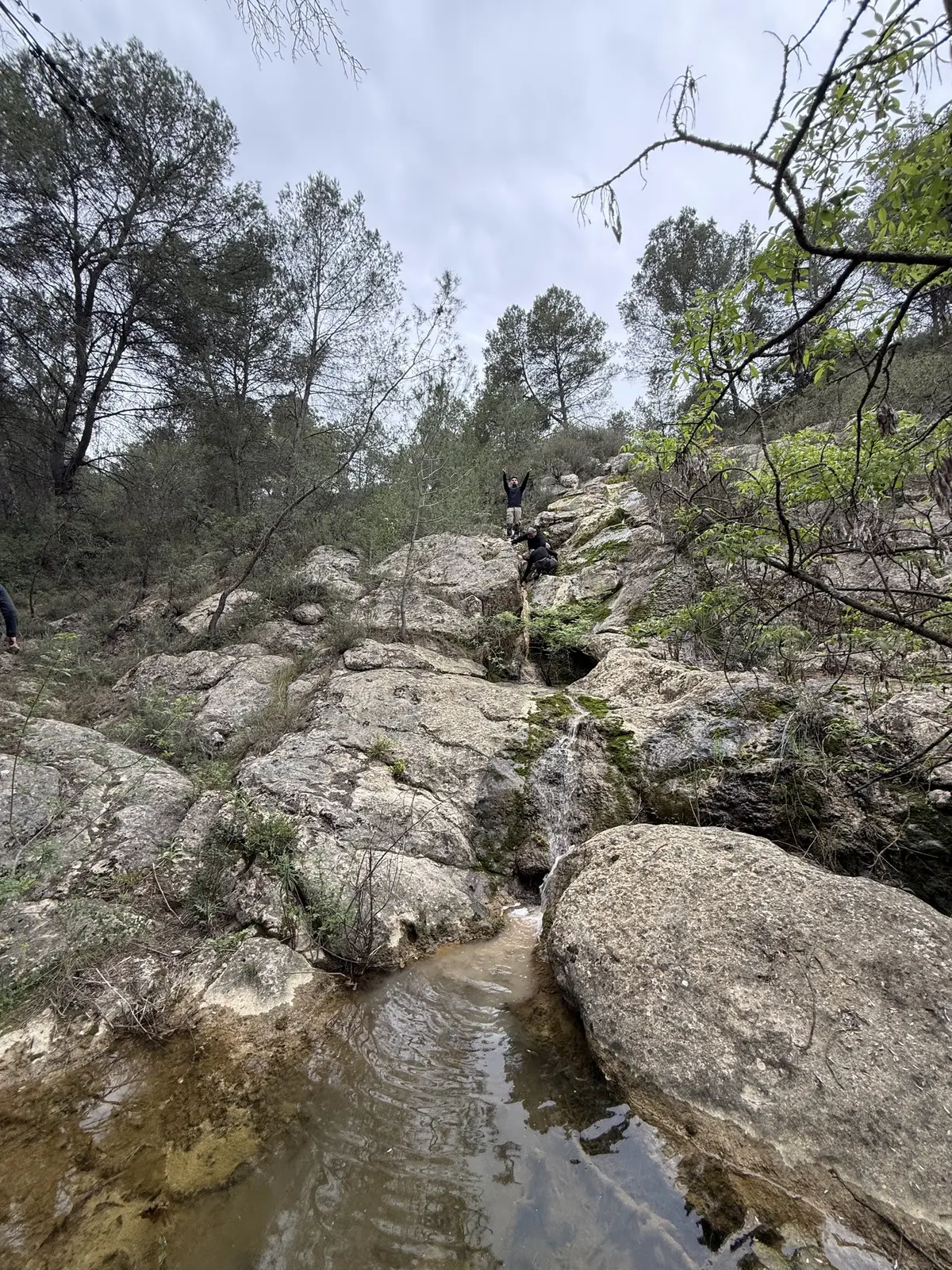
A common toad in the undergrowth after a spring showerA great capricorn beetle landing on the terrace table one summer eveningThe estate's fig tree: figs ripen in late AugustThe house herbs: thyme, rosemary, sageThe stream in the forest, home to toads and dragonfliesHolm oaks and pines: the two-hectare forest around the villa
The field notebook
What to find, and when?
Choose a season and what interests you.
Edible · Spring
Wild asparagus
Forest edges, garrigue and path sides, under the prickly clumps of wild asparagus.
From March to late April. Snap off the tender tip by hand without pulling up the root, and only where picking is allowed.
Edible · Spring
Wild leek
Between vine rows and on banks.
In spring, before flowering. Never pick in a vineyard without the winemaker's permission.
Edible · Spring, Summer, Autumn
Wild fennel
Roadsides and waste ground, all around Béziers.
Young shoots in spring, seeds at the end of summer. Avoid busy roadsides.
Edible · Spring, Summer, Autumn, Winter
Thyme and rosemary
Dry garrigue and limestone slopes.
Take a few sprigs, never the whole plant: it takes years to grow back.
Seen at Casa Sauvage
Edible · Summer
Blackberries
Brambles along the paths and the greenway.
From August to September. Be careful not to confuse them with redoul berries (see below).
Edible · Summer, Autumn
Figs
Fig trees on banks, at farmhouses and in gardens.
In August and September. A fig tree in a garden has an owner: ask before tasting.
Seen at Casa Sauvage
Edible · Autumn, Winter
Strawberry-tree fruit
Strawberry trees in the undergrowth, on the acid soils of the upper Orb valley.
From October to December, when they are bright red. Delicious as jam, eat raw in small amounts.
Edible · Autumn
Chestnuts
Chestnut groves of the Caroux and the Espinouse mountains, 40 minutes away.
In October, during the chestnut festivals. Chestnut groves are often private: only gather where it's allowed.
Edible · Autumn
Ceps
Oak and chestnut woods at higher altitude after the autumn rains.
Always have your basket checked by a pharmacist or a mycological society before cooking.
Edible · Autumn
Saffron milk cap
Under pines, on sandy soils and in the pine woods of the hinterland.
Orange milk that turns green when broken. Pick in moderation and have it checked by an expert.
Toxic or to avoid · Autumn
Death cap
Under oaks, chestnut trees and sometimes in pine woods.
Deadly. Greenish cap, white gills, ring and volva at the base. If in doubt, don't eat it.
Toxic or to avoid · Summer, Autumn
Redoul (Mediterranean coriaria)
Banks and streamsides in the Hérault.
Its black berries look like blackberries but are highly toxic. It grows as a thornless bush.
Toxic or to avoid · Spring, Summer, Autumn, Winter
Oleander
Gardens, roundabouts and riverbanks.
The whole plant is toxic, including the smoke and the water in a vase. Don't use it for skewers.
Toxic or to avoid · Winter, Spring
Pine processionary caterpillar
White nests at the top of pines, then lines of caterpillars on the ground.
From January to April. Its hairs are stinging: don't touch, and keep dogs and children away.
Animals to watch · Spring, Summer, Autumn, Winter
Wild boar
All through the forest around the house, especially at nightfall.
Discreet and shy. Don't leave food outside, and move away calmly if you come across one, especially a sow with her young.
Animals to watch · Spring, Summer, Autumn, Winter
Roe deer
Forest edges and clearings, early in the morning.
Sunrise on the terrace is the best time to spot one.
Animals to watch · Spring, Autumn, Winter
Red squirrel
The estate's oaks and pines.
Very active in autumn, when it builds up its stores.
Animals to watch · Spring, Autumn
Common toad
Damp undergrowth, by streams, often after rain.
Protected species. Look, photograph, don't move it.
Seen at Casa Sauvage
Animals to watch · Summer
Great capricorn beetle
Old oaks, in the evening.
One of Europe's largest beetles, protected. It sometimes lands on the terrace table.
Seen at Casa Sauvage
Animals to watch · Summer
Cicada
Pines and oaks, as soon as the thermometer passes 25 °C.
The soundtrack of July afternoons. It falls silent at dusk.
Animals to watch · Spring, Summer
European bee-eater
Sandy banks of the Orb and power lines above the vineyards.
From May to August. Turquoise, yellow and russet plumage: bring binoculars.
Animals to watch · Spring, Summer
Hoopoe
Vineyards, meadows and woodland edges.
Its “oop-oop-oop” call can be heard from spring.
Animals to watch · Spring, Summer
Short-toed snake eagle
The sky over the garrigue and hills.
A bird of prey that hovers to hunt snakes. Present from March to September.
Animals to watch · Spring, Summer
Ocellated lizard
Dry-stone walls and sunny rocky ground.
Europe's largest lizard, protected. It basks on warm stones in the morning.
Animals to watch · Spring, Summer, Autumn
Southern barbel
Clear, flowing waters of the Orb.
The river's emblematic fish. Fishing requires a permit (online at cartedepeche.fr).
Animals to watch · Spring, Summer
Brown trout
Cool, fast-flowing upstream stretches of the Orb and its tributaries.
First-category fishing depending on the stretch: check local regulations.
Animals to watch · Spring, Summer, Autumn
Chub
The whole Orb, from the gorges to Béziers.
Easy to spot from the rocks, in calm water.
Animals to watch · Summer, Autumn
Eel
The Orb, all the way to the sea.
Endangered, protected species: fishing banned or strictly regulated.
These cards help you recognise and respect what you see. They don't replace the advice of a pharmacist or mycologist: if in doubt, don't eat it.
Good habits
Pick, observe, respect
Ask before picking: forests, vineyards and chestnut groves almost always have an owner.
Have your mushrooms checked by a pharmacist before cooking them, even if you're sure.
Only take what you'll eat, with a knife, and leave the plant in place.
No fires, ever: the garrigue catches fire in minutes in summer.
To fish in the Orb, get a fishing permit online and respect sizes and seasons.
Mediterranean nature on Béziers' doorstep
Around Béziers, three landscapes meet: the wine-growing plain, the garrigue of the limestone hills and, further north, the oak and pine forests of the Orb valley. That's where Casa Sauvage stands, on two hectares of forest in Cazouls-lès-Béziers. From the terrace, it's not unusual to hear a wild boar passing below at dusk, or to see a roe deer cross a clearing at sunrise.
This page gathers what our guests ask us most often: what can be picked, what should be avoided, which animals can be seen, and in which season. It is based on the species we see ourselves around the house and along the greenway.
In spring: asparagus, wild leeks and birdsong
March and April are wild asparagus season. It grows at the foot of the prickly clumps of wild asparagus at the edge of the garrigue. Cut the tender tip without pulling up the root, and eat it in an omelette that same evening. Wild leek grows between the vine rows: always ask the winemaker before picking any. As for birds, the hoopoe returns in March, then the European bee-eater in May with its turquoise plumage. It's also the end of the pine processionary caterpillar season: don't touch them, and keep dogs away.
In summer: cicadas, figs and the cool of the Orb
Summer belongs to the cicadas, which sing as soon as the temperature goes above 25 °C. Blackberries ripen along the paths in August, figs at the end of summer. Beware of redoul (Mediterranean coriaria), a shrub on the banks whose black berries look like blackberries and are highly toxic. In the Orb, the clear water lets you see barbel and chub from the rocks. In the evening, the great capricorn beetle, a protected species, sometimes lands on the table on the pool terrace.
In autumn: mushroom season
After the first rains in October, the woods fill with mushrooms. Saffron milk caps grow under the pines, ceps in the oak woods and the chestnut groves higher up, towards the Caroux. It's also the season of the deadly death cap, which grows in the same places. The rule is simple: every basket goes to a pharmacist or a mycological society before the pan. October is also the month of chestnuts and the festivals that celebrate them, and of red strawberry-tree fruit in the undergrowth.
In winter: the forest laid bare
Winter is the best season for watching animals: vegetation is sparser and tracks are easy to read in the damp earth. Wild boar turn over the banks, red squirrels come out in fine weather, birds of prey perch on the posts above the vines. Forest bathing comes into its own in the silence of January, before heading back to the warmth of Casa Sauvage.
Picking: what the rules say
Picking is never an automatic right. In a private forest, whatever grows belongs to the owner. In a public forest, moderate picking for family use is generally tolerated, but prefectures and municipalities can set maximum quantities, especially for mushrooms and asparagus. Some species are protected and must be neither picked nor disturbed. To fish in the Orb, a fishing permit is compulsory, with minimum sizes and open seasons depending on the species.
Birds of the Orb valley
The Orb valley is a migration corridor. In spring, European bee-eaters arrive from Africa and dig their burrows in the sandy banks; you'll recognise them by their bright colours and rolling call. The hoopoe sings in the vineyards from March. In the garrigue sky, the short-toed snake eagle hovers in search of snakes. In the evening, from the terrace of Casa Sauvage, you may hear the scops owl in summer, a tiny owl with a very regular call.
A pair of binoculars is all you need: sit by the Orb at Roquebrun or Cessenon early in the morning, or along the greenway between the vines.
Garrigue plants, an open-air kitchen
The garrigue around Béziers smells of thyme, rosemary, fennel and savory. These aromatic plants grow on dry limestone soils in full sun. A few sprigs cut with scissors are enough to flavour grilled food on the terrace plancha. Rockroses, kermes oaks and junipers complete the landscape; they aren't edible, but their spring flowers are worth the walk.
The golden rule stays the same: take little, never uproot, and avoid roadsides and treated vineyards.
Watching animals without disturbing them
The best times are dawn and dusk. Walk slowly, speak softly, keep the wind in your face and stay on the paths. Tracks in the mud and patches of turned-over earth (wild boar rootings) show where animals pass. Never feed wild animals and don't pick up toads or lizards: they are protected species.
With children, the Casa Sauvage forest makes a great game: look for footprints, recognise three birdsongs, photograph a cicada without scaring it off. That's the spirit of the forest bathing guide (in French) we offer for free.
Frequently asked questions
Can you pick wild asparagus around Casa Sauvage?
Yes, in spring, in March and April, along forest edges where picking is allowed. Cut only the tender tip without pulling up the plant, and don't pick on private property without permission.
Are there wild boar near the house?
Yes, the forest around Casa Sauvage is home to wild boar. They are discreet and shy. Don't leave food or rubbish outside at night, and move away calmly if you come across one.
Where can you get your mushrooms checked near Béziers?
At any pharmacy: French pharmacists are trained to identify mushrooms. Mycological societies in the Hérault also organise outings and exhibitions in autumn.
Do you need a permit to fish in the Orb?
Yes. The fishing permit (carte de pêche) is bought online and sets out the rules for the département: open seasons, minimum sizes and protected species such as the eel.
When can you hear cicadas near Béziers?
From late June to late August, as soon as the temperature goes above about 25 °C. They sing mostly in the hot afternoon hours, in the pines and oaks around the house.
Can you see wild animals from Casa Sauvage?
Yes, often. Wild boar at nightfall, roe deer at daybreak, squirrels, hoopoes and lizards during the day. The house is surrounded by two hectares of forest, with no close neighbours.