Guide no. 05
A company retreat in the countryside
Method, programme, budget and return on investment.
A company retreat is often seen as a discretionary cost. When budgets tighten, it is one of the first items to be cut. That is a mistake, and more precisely a miscalculation. Well designed, a retreat in the countryside is one of the HR investments with the best ROI: engagement, retention, strategic alignment, creativity. At a time when replacing an employee costs 6 to 9 months of fully loaded salary, spending €1,500 per person on an annual retreat is, mathematically, one of the most profitable items in the budget. This guide is for HR managers, SME directors and CEOs who want to organise a memorable retreat without wearing themselves out organising it. Inside: why leave the office (with data), choosing between 2 and 3 days, the 60-30-10 rule between work and relaxation, how to measure ROI, and the complete organisation checklist from D-90 to D+30. The companion spreadsheet gives you the budget calculation, a flexible schedule, KPI tracking and the checklist to tick off. So that the retreat you organise is the one your team still talks about a year later.
Contents
- Why leave the office (really)?
- Choosing the right format: 2 days or 3 days?
- The work / relaxation ratio: the 60-30-10 rule
- The ROI of a retreat: how to measure it
- Organiser’s checklist (HR or CEO)
- The 5 mistakes that ruin a retreat
This guide was written for stays at Casa Sauvage, a villa for 18 people deep in the forest near Béziers. Company retreats.
Why hold a team retreat in the countryside
Taking the team out of the office for two or three days is not a luxury. It is often the only way to step back from a strategy, integrate new colleagues or resolve lingering tensions. Away from the usual meetings and notifications, conversations change in nature. This guide explains how to prepare a retreat that produces decisions, not just good memories.
The setting: a whole house for the team
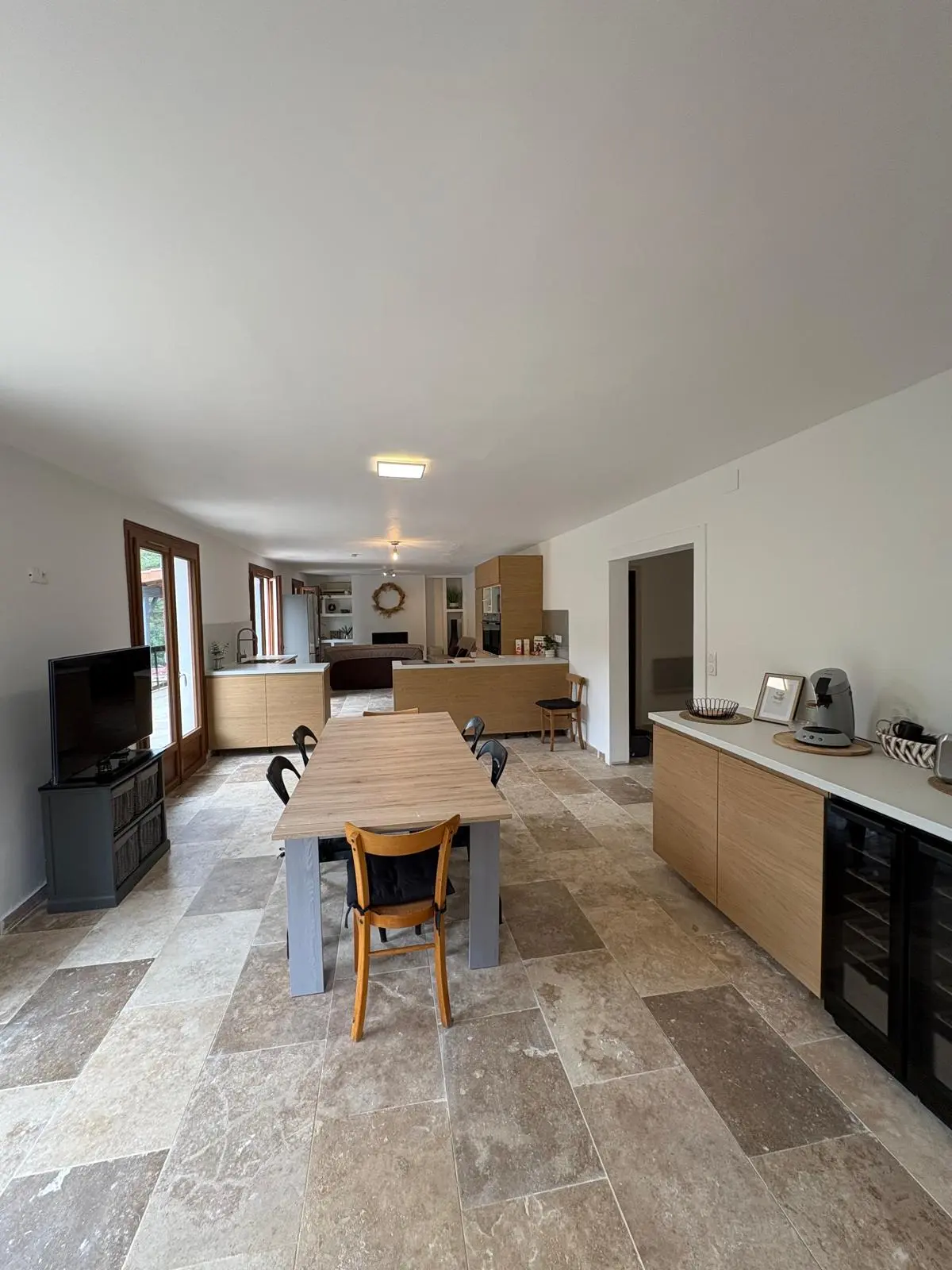
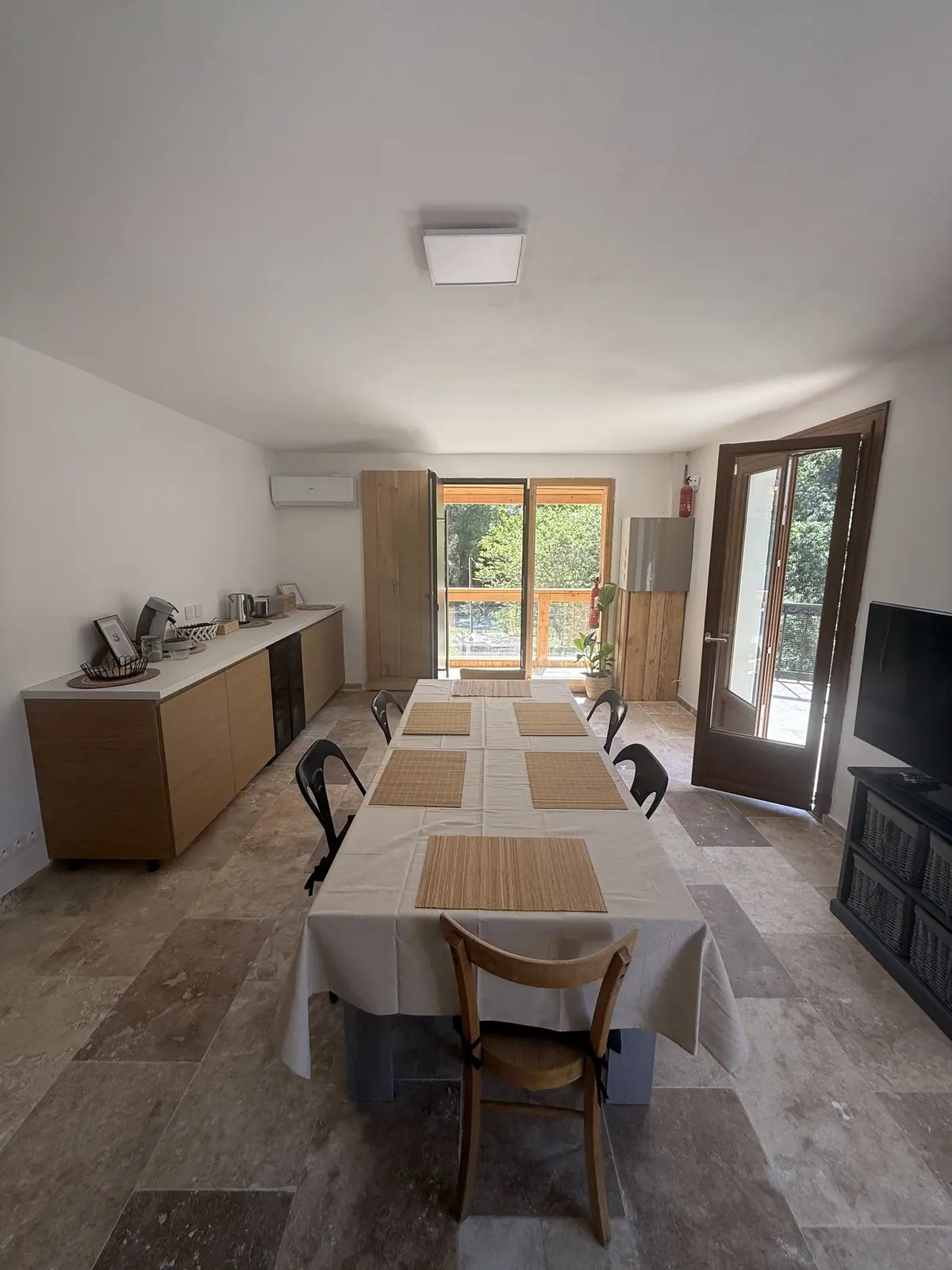
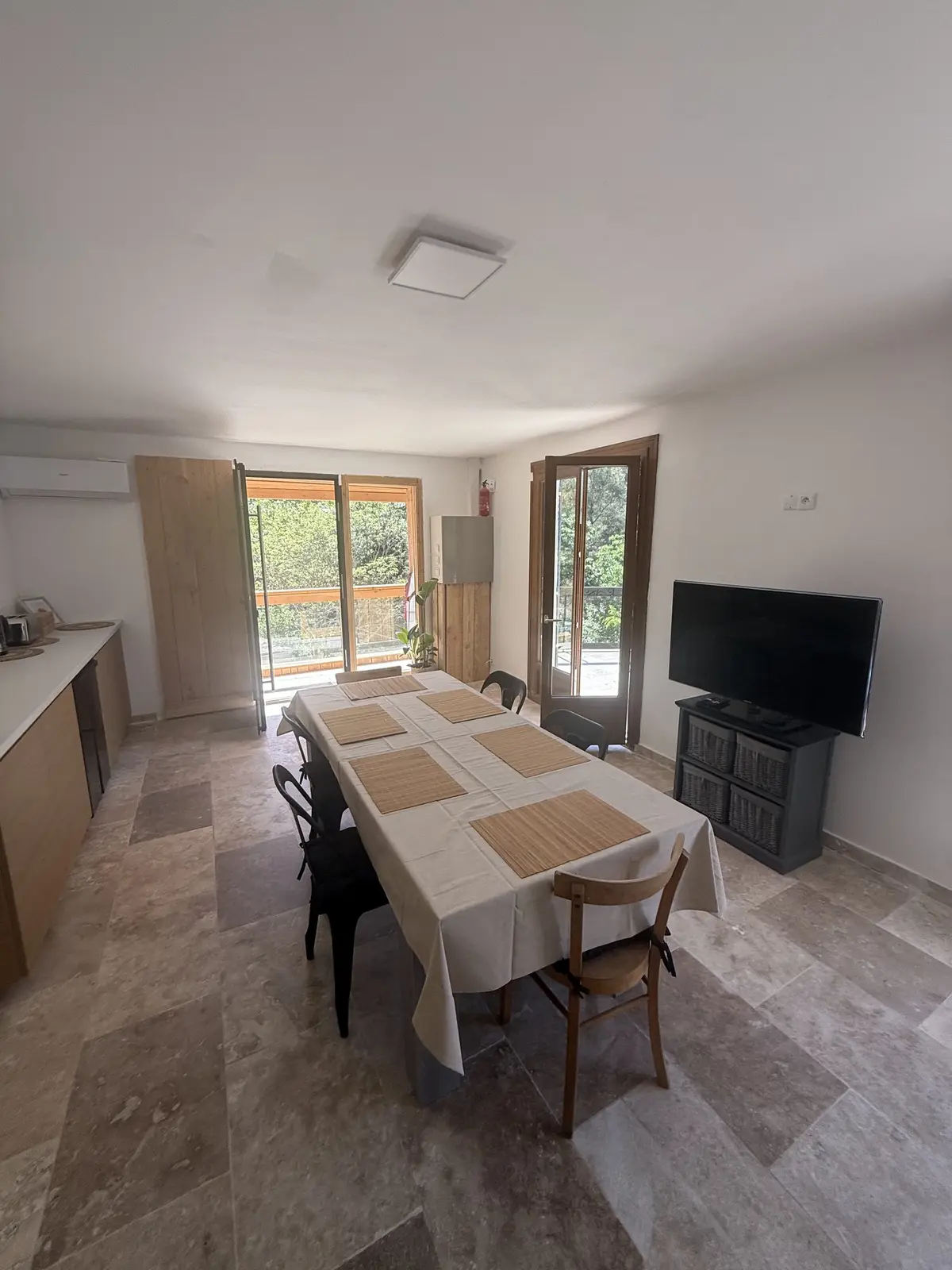
For a team of 8 to 18 people, a large private house has several advantages over a hotel: an exclusive venue, a big table to work together, separate spaces for workshops, and shared meals that bring the group together. Casa Sauvage has Starlink Wi-Fi, a large living room, a table seating 18 and 2 hectares of forest for breaks.
The house is 20 minutes from Béziers TGV station and 25 minutes from Béziers Cap d’Agde airport, making it easy for teams to come from Paris, Lyon or Toulouse. Find the details on the company retreat in the Hérault page.
The 60-30-10 rule
The guide suggests a simple rule for building the programme: 60% work, 30% relaxation and activities, 10% free time. Mornings are for plenary sessions and workshops, afternoons for team-building activities such as electric mountain bikes, canoeing on the Orb or a wine tasting, and evenings for shared dinners.
Measuring the return on investment
A retreat costs time and money. The guide explains how to set measurable objectives before leaving, how to track them after returning and how to present a review to management. The Excel kit contains a budget, a schedule and a decision-tracking table.
Frequently asked questions
Can we bring in a caterer or a chef?
Can the invoice be made out to the company?
Read also